SHOCK BUSTERS GOLD COAST: THOROUGH ON-SITE ELECTRICAL TEST & TAG YOU CAN TRUST
At Shock Busters, we help keep Gold Coast businesses operating safely. Whether you run a bustling restaurant along the Surfers Paradise strip, manage a busy warehouse in Yatala / Molendinar, operate a commercial office in Robina or Southport, or direct a workshop in Burleigh Heads, keeping your staff, customers, and electrical assets safe is essential to keeping your doors open.
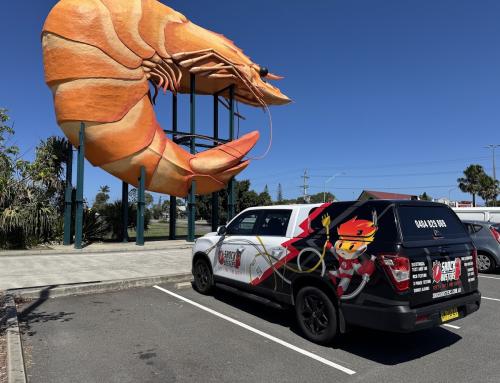
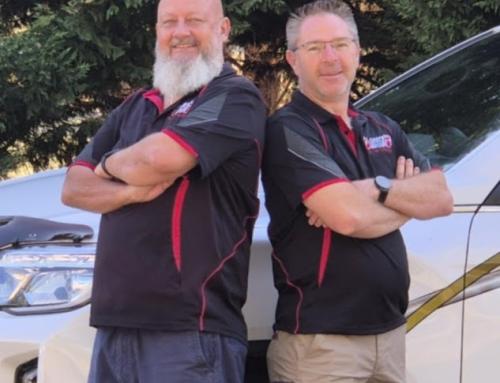
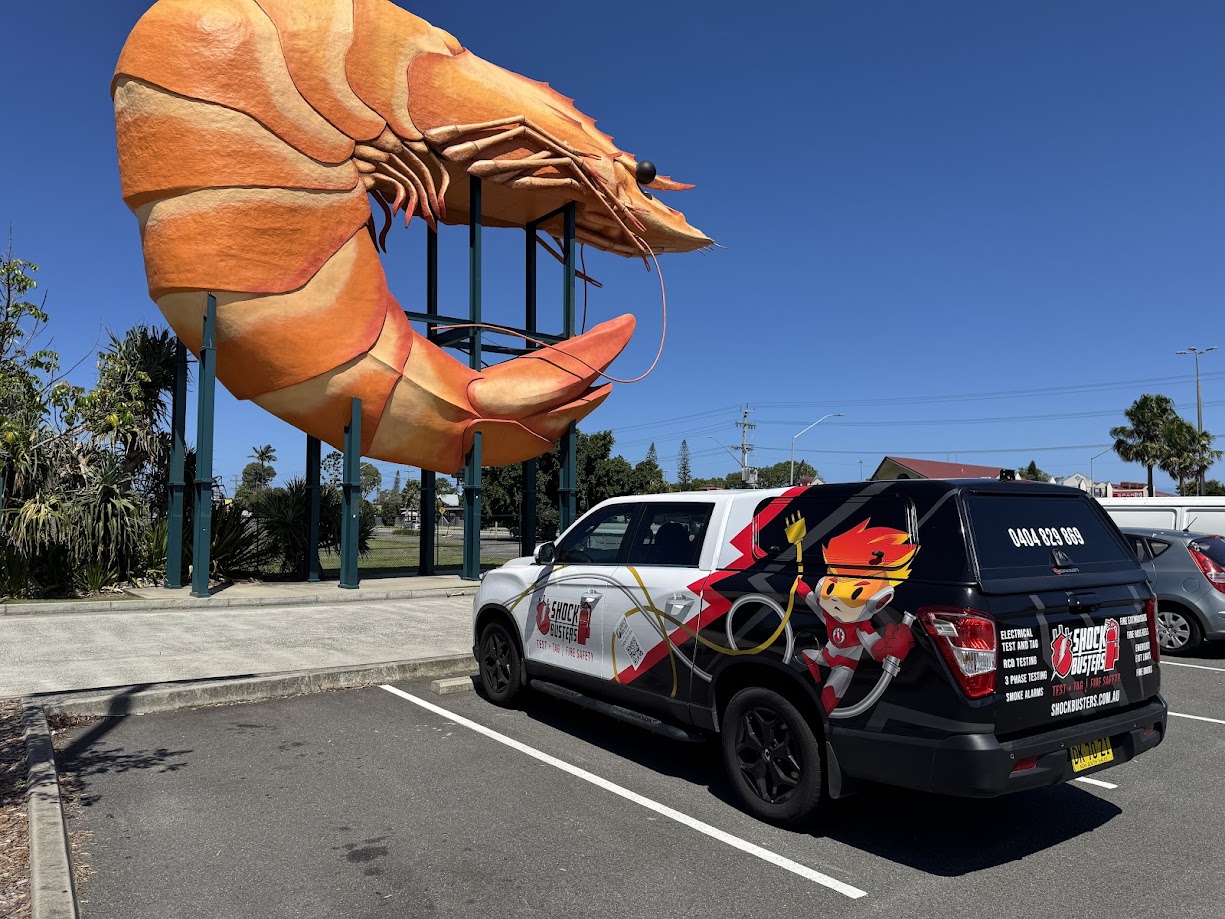
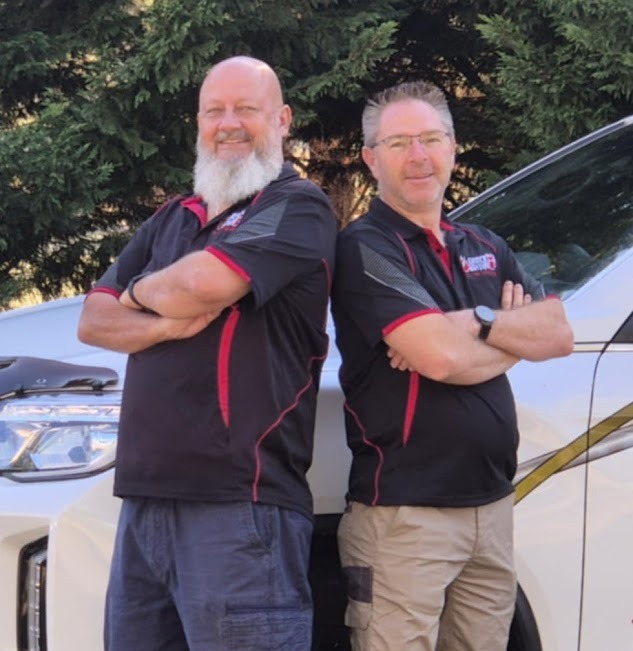
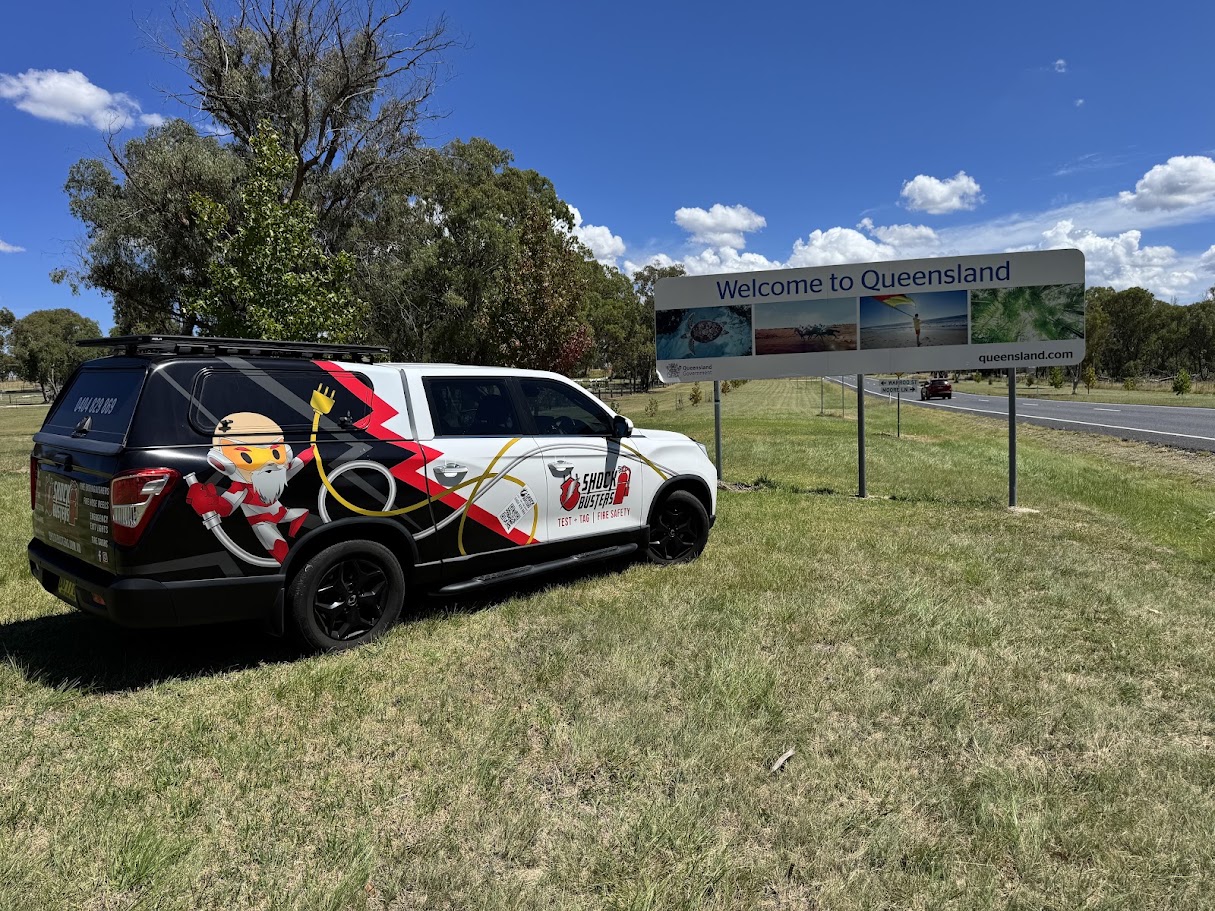
As a fully certified and trusted Test and Tag operator holding QLD Electrical Contractor Licence #1510173, our mobile test and tag team brings thorough, fully compliant, and low-disruption electrical Test and Tag directly to your door across the entire Gold Coast region.
From single-phase power tools and commercial kitchen equipment to complex 3-phase machinery and emergency RCD safety switches, Shock Busters helps keep workplace safety hassle-free.
Under Queensland’s Electrical Safety Regulation 2013, business owners and workplace managers across the Gold Coast are legally required to ensure portable electrical equipment and RCD safety switches are safe to use. Testing must be conducted to AS/NZS 3760:2022 standards under a valid Queensland Electrical Contractor Licence (Shock Busters QLD Lic #1510173) to keep your site compliant, maintain valid insurance, and protect your team.
1. WHY ELECTRICAL TEST & TAG IS VITAL FOR GOLD COAST WORKPLACES
From high-foot-traffic retail hubs in Pacific Fair Broadbeach and Robina Town Centre to active manufacturing precincts in Arundel, Nerang, and Burleigh Heads, electrical equipment suffers constant daily wear. Damaged cords, worn plug tops, internal insulation failure, missing insulation on pins can instantly turn an everyday appliance into a fatal shock or fire hazard.
By partnering with Shock Busters for mobile electrical test and tag on the Gold Coast, you secure three major operational advantages:
- 100% Regulatory WHS Compliance: Fulfill all duties under Work Health and Safety QLD and the Electrical Safety Office (ESO) QLD.
- Minimised Unplanned Downtime: Identify failing tools and dangerous appliances before they trip main distribution breakers.
- Audit-Ready Compliance Reporting: Receive digital reports in full accordance with AS/NZS 3760 requirements after every inspection cycle.
At Shock Busters, we understand that unplugging computers, point-of-sale terminals, or commercial kitchen equipment during trade can disrupt your daily operations. That’s why we offer flexible after-hours, early morning, and weekend test and tag services across the Gold Coast. We work seamlessly around your operating schedule so your team stays 100% productive with zero operational downtime.
Under the Queensland Electrical Safety Act 2002, Person Conducting a Business or Undertaking (PCBU) entities in Gold Coast workplaces must ensure electrical equipment is safe to use. Operating untagged equipment or hiring unlicenced contractors can result in Electrical Safety Office prohibition notices, substantial fines, and voided insurance coverage during an electrical incident.
2. AS/NZS 3760 & AS/NZS 3012 RETEST INTERVALS BY WORKPLACE ENVIRONMENT
Testing frequency across Gold Coast, Surfers Paradise, and South East QLD workplaces is strictly governed by AS/NZS 3760 and AS/NZS 3012 based on site risk factors:
If your business operates on active construction, demolition, or civil sites across Queensland, portable tools and flexible extension leads fall under AS/NZS 3012 and require 3-monthly testing. Industry standard practice uses a recognized quarterly RGBY tag colour scheme:
A Helpful Tip for Site Audits: Under AS/NZS 3012, testing technicians apply the tag colour corresponding to the date the test actually takes place – pre-tagging with next season’s colour isn’t permitted.
If your equipment gets tested toward the tail end of a quarterly cycle, it will feature the current season’s colour, but its 3-month protection carries right through.
When site safety officers or auditors do their rounds, they simply check the exact retest date stamped on your tag to confirm your gear is good to go.
3. SHOCK BUSTERS PAT TESTING & RCD TESTING PROCESS
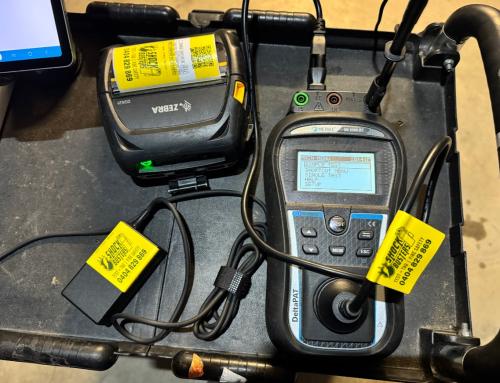
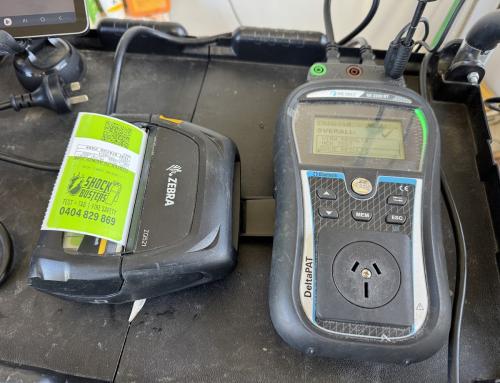
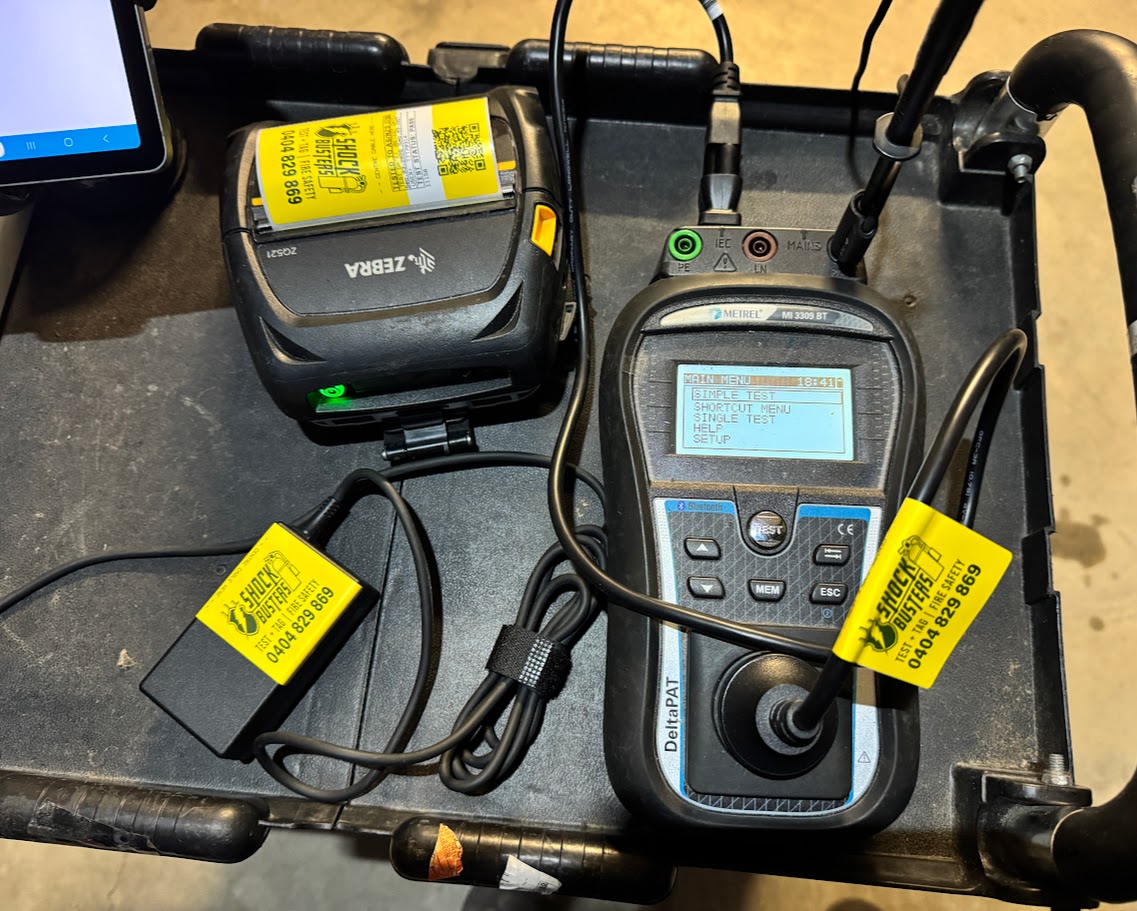
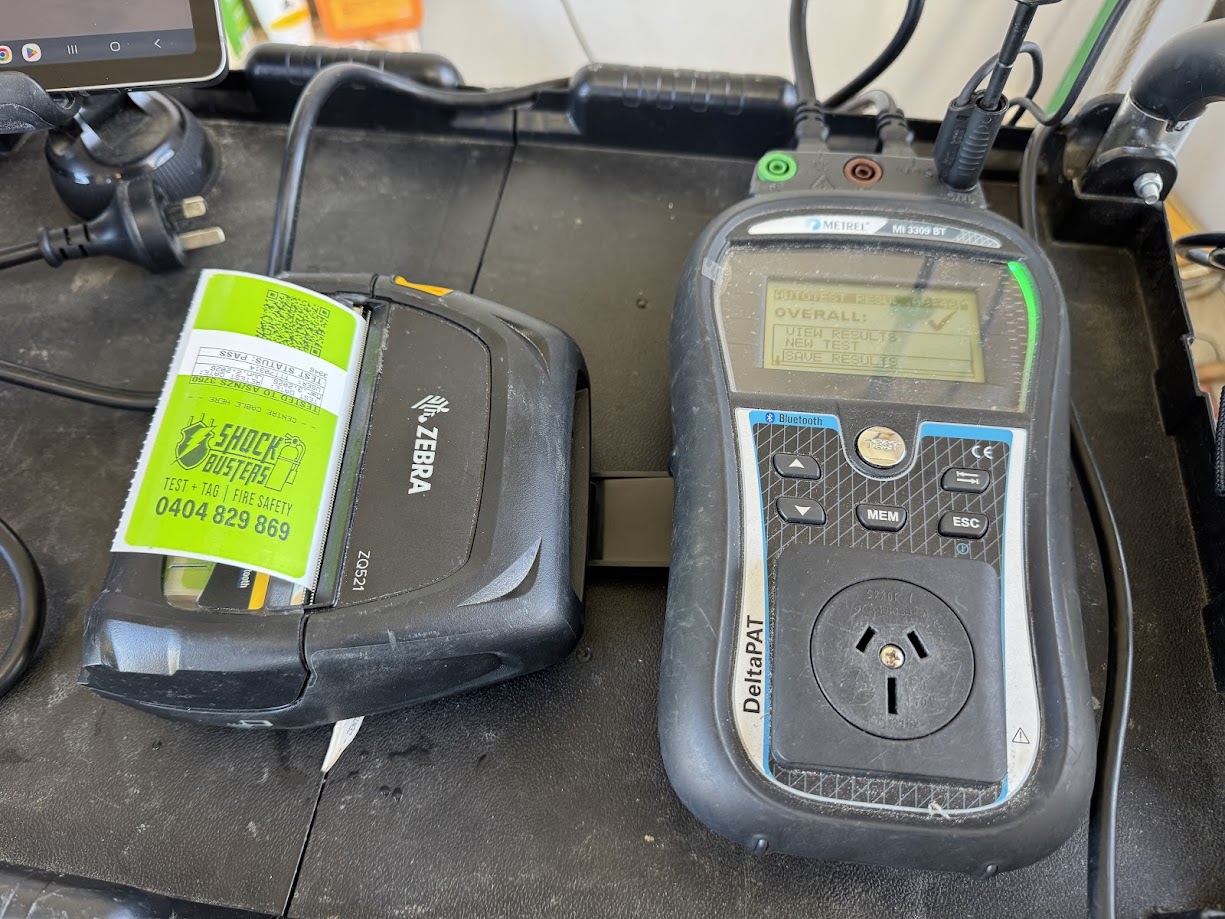
At Shock Busters, we perform rigorous multi-stage inspections on every appliance using calibrated Portable Appliance Testers (PAT) across all commercial, industrial, and trade workplaces throughout the Gold Coast, Surfers Paradise and South East QLD:
| PAT Testing Stage | Technical Inspection Actions | Compliance Outcome |
|---|---|---|
| 1. Comprehensive Visual Check | Checking flex cords for fraying or cuts, plug pins for heat discoloration or missing insulation, strain relief cord grips, and outer switch housing condition. | Captures over 90% of visible physical defects before electrical testing starts. |
| 2. Earth Continuity Testing | Injecting test currents down earth conductors on earthed Class I equipment to confirm resistance stays under 1 Ω. | Guarantees fault current channels safely to earth rather than through an operator. |
| 3. Insulation Resistance Testing | Applying 500V DC (or 250V DC for sensitive IT gear) to verify internal cable insulation meets safety (MΩ) limits. | Prevents internal electrical arcing, short circuits, and localized electrical fires. |
| 4. Earth Leakage Testing (Class I & Class II) | Measuring touch current and protective conductor current under real operating conditions for both Class I (earthed) and Class II (double-insulated) appliances. | Essential for powered equipment with electronic or soft-touch switches, verifying safe current leakage remains strictly under 5 mA (Class I earthed) or 1 mA (Class II double-insulated). |
| 5. RCD Trip Time Testing | Simulating an earth leakage fault on switchboard RCDs to measure trip speeds in milliseconds and checking manual test buttons (Where requested). | Ensures safety switches cut power fast enough to prevent fatal electric shock. |
| 6. Barcode Tagging & Compliance Reporting | Affixing printed tags only after testing complete – showing test date, next retest date, tech ID / license number, then compiling full testing logs per AS/NZS 3760. | Provides complete compliance documentation for WHS inspectors and insurers. |
Under AS/NZS 3760:2022 (Clause 2.4.3.2), equipment insulation safety must be verified in accordance with Appendix E.
The standard explicitly mandates: “If the equipment must be energized to close or operate a switching device in order to test the insulation, then the leakage current test in accordance with Appendix E shall be performed.”
- Unpowered Insulation Resistance (500V DC): Specified under Appendix E, this method remains fully compliant for basic extension leads and simple mechanical tools with physical ON/OFF switches.
- Electronically Switched Equipment: If an electronically switched appliance is tested without connecting to live 240V mains power, its internal switching circuits remain open. The test signal stops at the switch, leaving downstream electronics and motor windings unverified—leaving hidden short circuits or dangerous touch current leakage undetected.
- Low-Voltage Battery “Substitute Leakage”: Handheld battery-driven PAT tester calculations (~40V AC) fail to energize electronic switches and are not recognized as compliant leakage testing under Appendix E.
Compliance Check: If a provider inspects a site containing electronically controlled tools, IT gear, or complex machinery without connecting their PAT apparatus to live mains power, those active circuits are not being tested in accordance with AS/NZS 3760:2022 Appendix E.
At Shock Busters, we connect directly to live mains power on-site to execute required Earth Leakage and Touch Current testing across Class I (earthed) and Class II (double-insulated) equipment, ensuring 100% of internal circuitry is tested under real operating load across every Gold Coast, Surfers Paradise and South East QLD site.
4. WHAT HAPPENS WHEN AN ELECTRICAL ITEM FAILS TESTING?
Under AS/NZS 3760, electrical testing is definitive: an asset either meets the strict resistance and safety limits to PASS, or it FAILS.
When an appliance, tool, or lead fails visual or electrical testing at your Gold Coast site, our technicians take immediate safety actions:
- Immediate Physical Isolation: The item is instantly unplugged (where safe to do so) and tagged out of service to eliminate electrical hazard risks.
- Red Fail Tagging: A highly visible, heavy-duty “DANGER – DO NOT OPERATE” or “FAILED” tag is securely attached to the plug top or cord.
- AS/NZS 3760 Compliance Reporting: The failed item’s details and identification are recorded directly into your official compliance documentation provided in accordance with AS/NZS 3760 standards, and your site manager is notified immediately so the item can be repaired by a licensed electrician or safely destroyed.
Removing or operating an item marked with a red fail tag is a direct violation of Queensland Electrical Safety legislation. Defective equipment must remain completely isolated from supply until repaired by a licensed electrical contractor or permanently disposed of.
 |
 |
5. COMPLETE GOLD COAST & SOUTH EAST QLD SERVICE COVERAGE
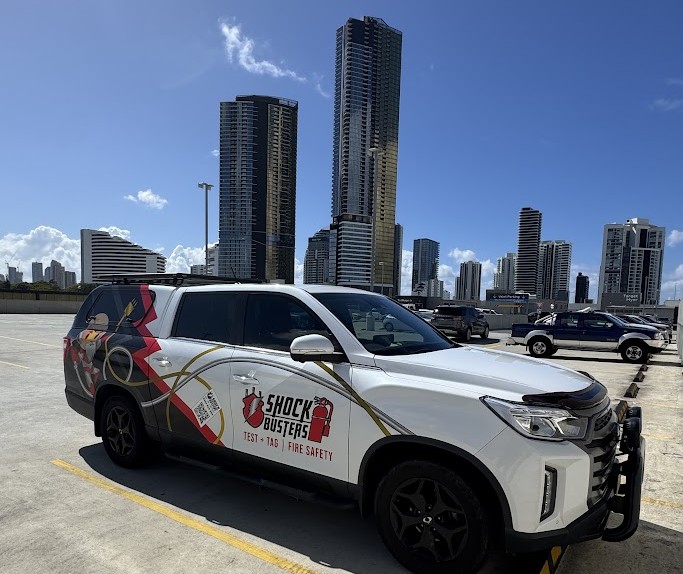
Shock Busters provides mobile electrical test and tag services across all commercial, industrial, corporate, and retail precincts throughout the Gold Coast and surrounding South East QLD areas:
- Central Gold Coast Precincts: Southport CBD, Surfers Paradise, Broadbeach, Bundall, Ashmore, Nerang, Molendinar & Benowa
- Southern Gold Coast & Tweed Hubs: Burleigh Heads, Varsity Lakes, Robina, Elanora, Currumbin, Coolangatta, Tweed Heads & Tweed Coast
- Northern Gold Coast Industrial Corridors: Yatala Industrial Park, Coomera, Upper Coomera, Helensvale, Oxenford, Pimpama, Ormeau & Arundel
- Hinterland & Surrounds: Tamborine Mountain, Mudgeeraba, Worongary, Nerang Hinterland & Canungra
ℹ️ Statutory Notice: The information provided in this guide is for general educational purposes and does not constitute formal electrical engineering advice. Compliance requirements under AS/NZS 3760:2022 and the Queensland Electrical Safety Regulation 2013 vary depending on environment classification, risk assessment factors, and site usage. Electrical testing must be performed under a licensed electrical contractor. For site assessment and certified tagging on the Gold Coast, contact Shock Busters (QLD Lic #1510173).